





Apparel & clothing mockups
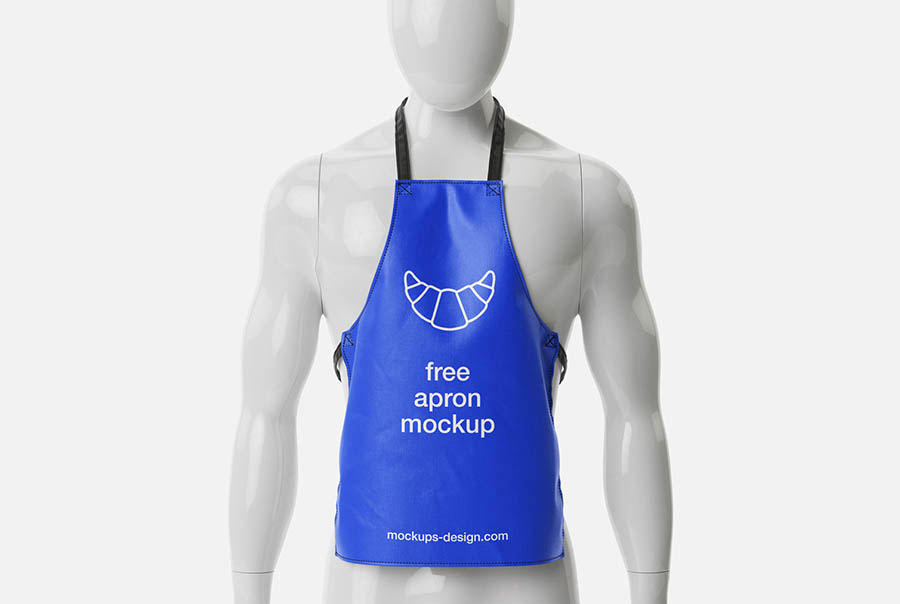
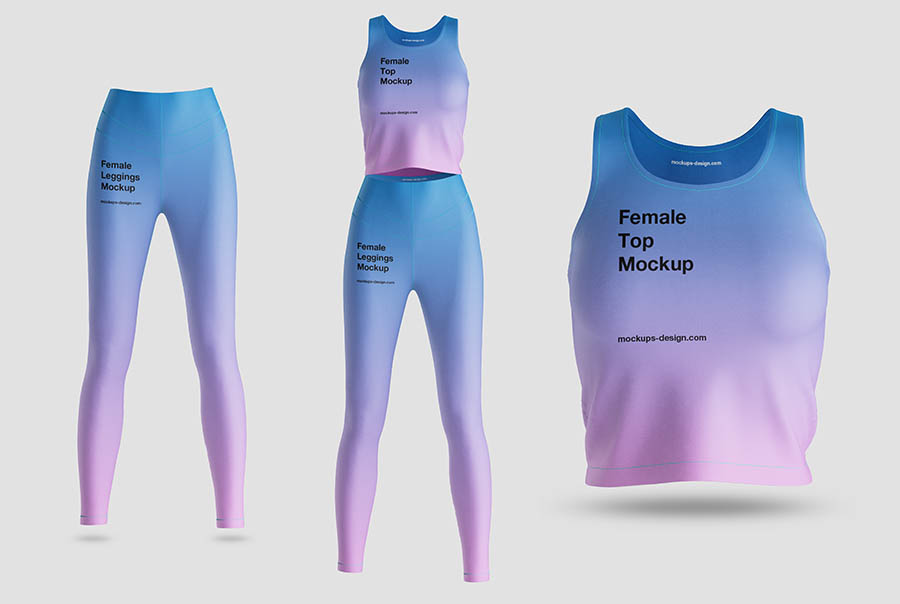
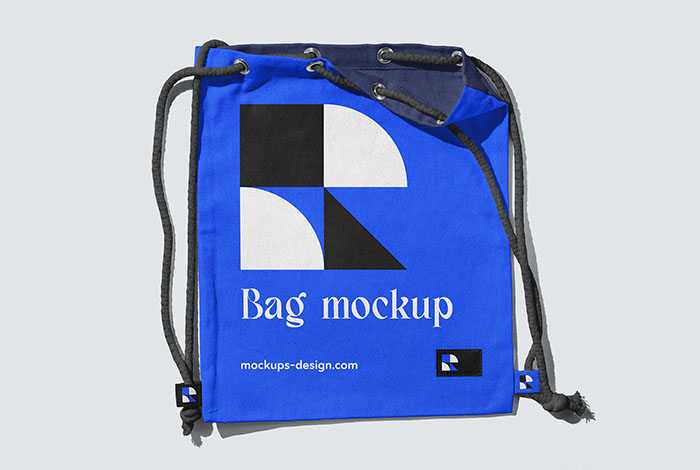
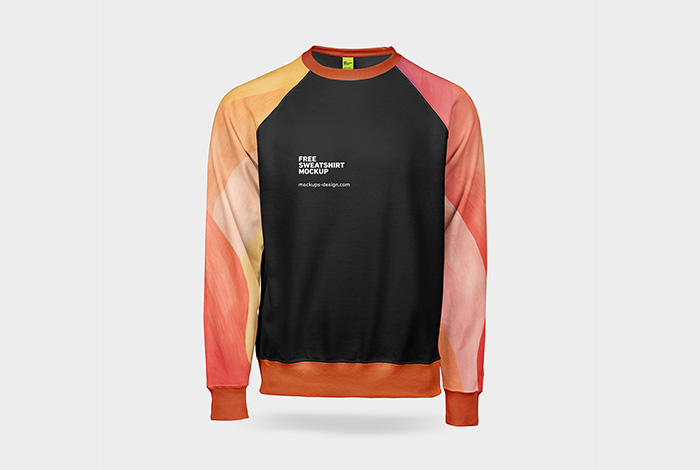
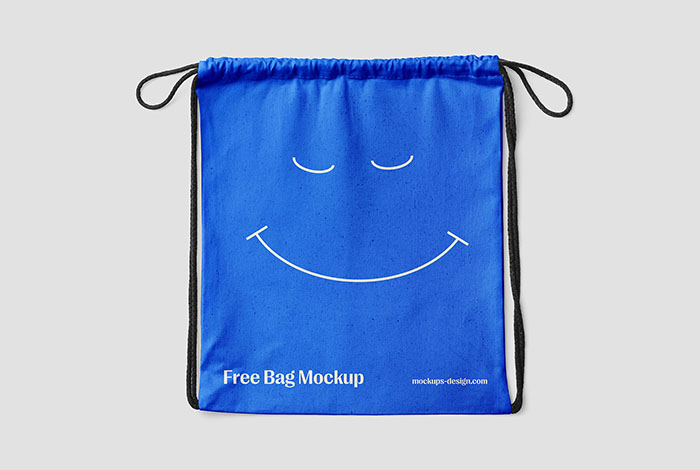
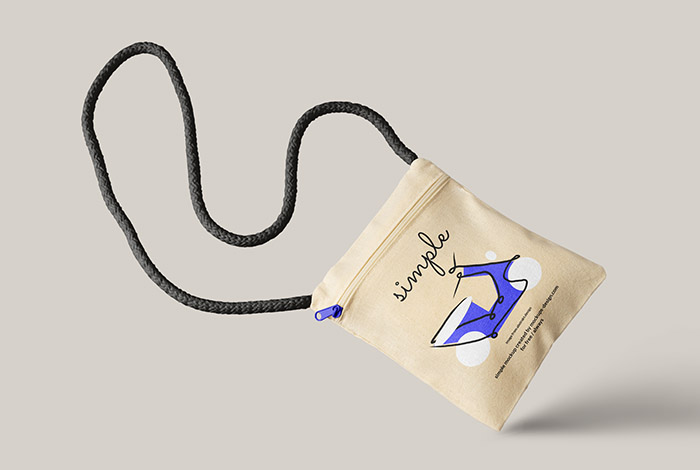
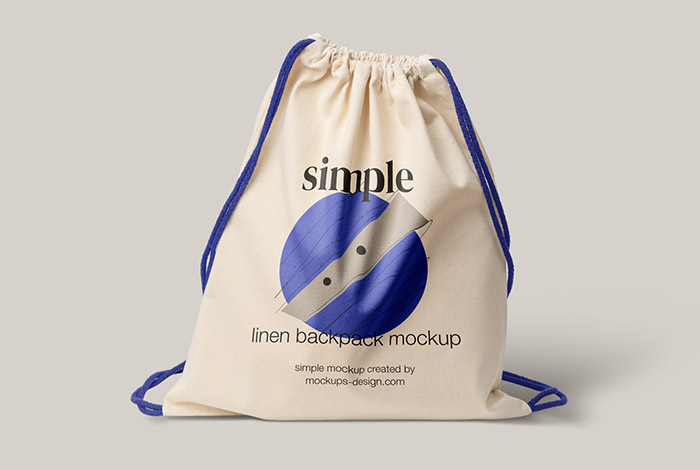
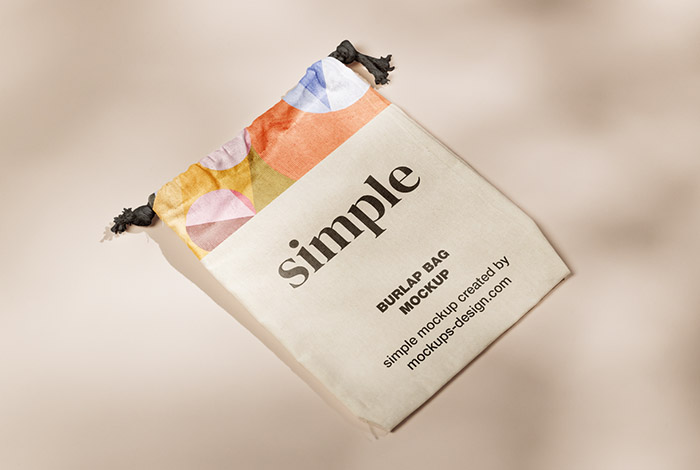
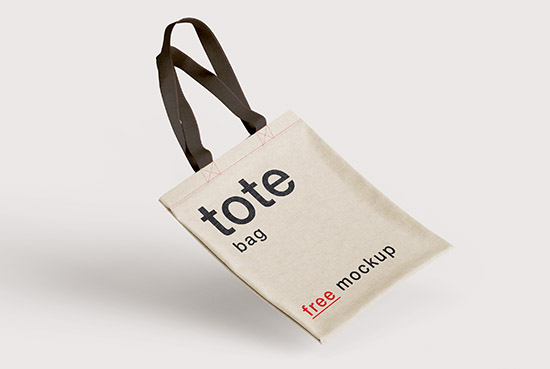
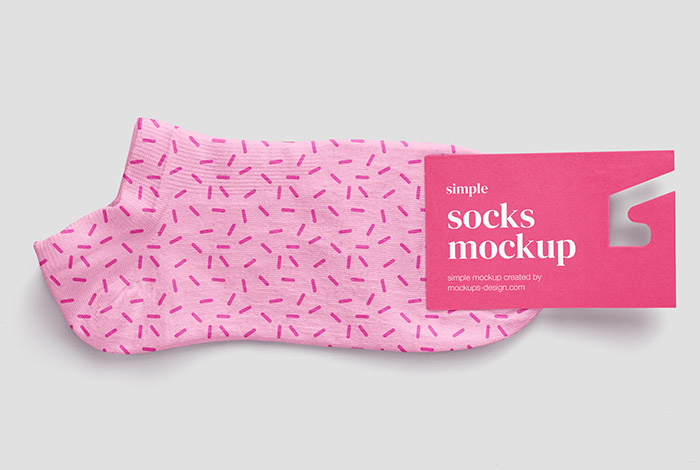
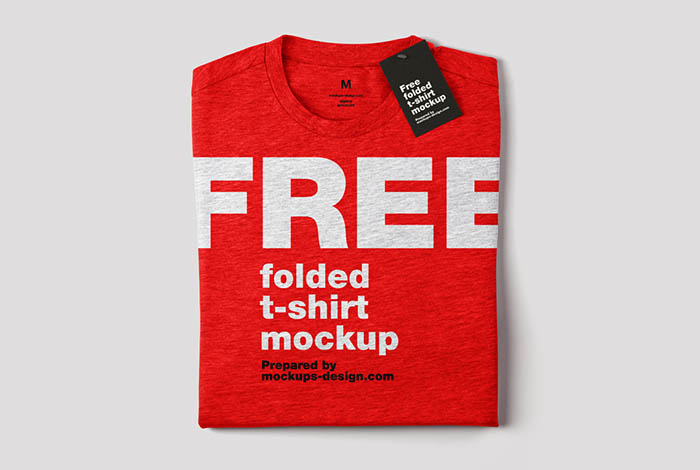
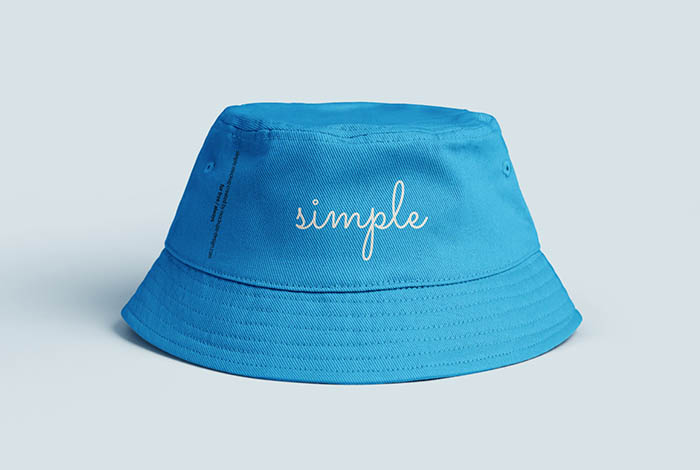
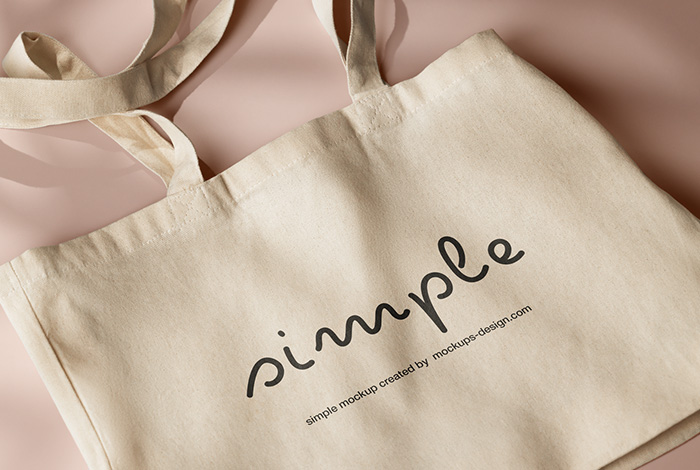
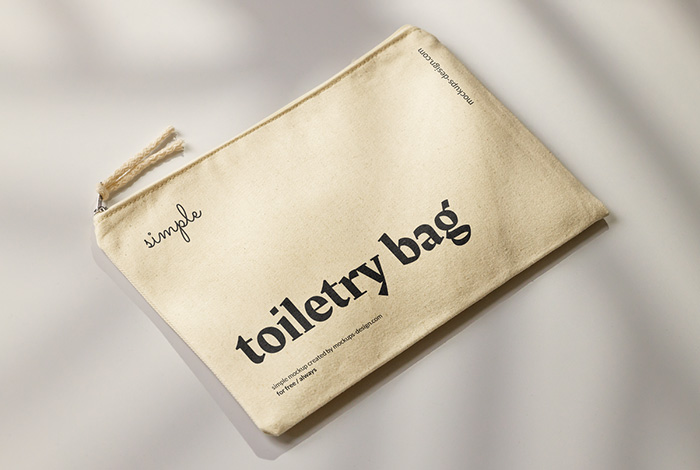
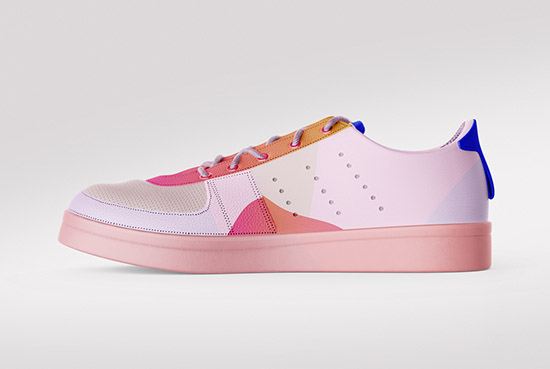
Apparel mockups for printed and embroidered garments — t-shirts, hoodies, sweatshirts, caps, tote bags and merch.
GarmentsTees, hoodies, caps, totes
ApplicationPrint or embroidery
PresentationFlat-lay, hung, ghost
FilesLayered PSD, smart objects
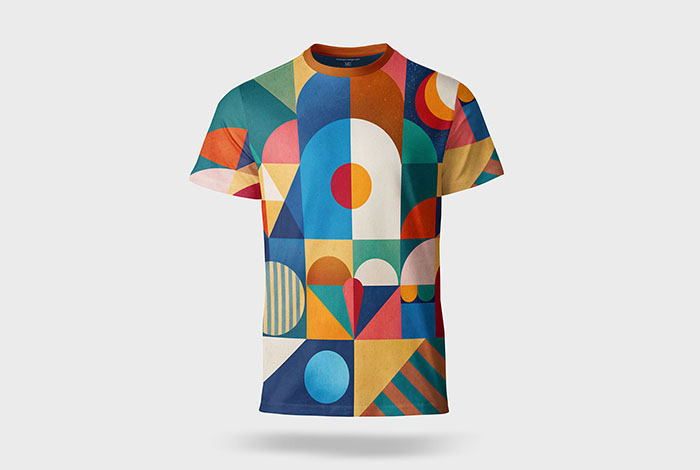
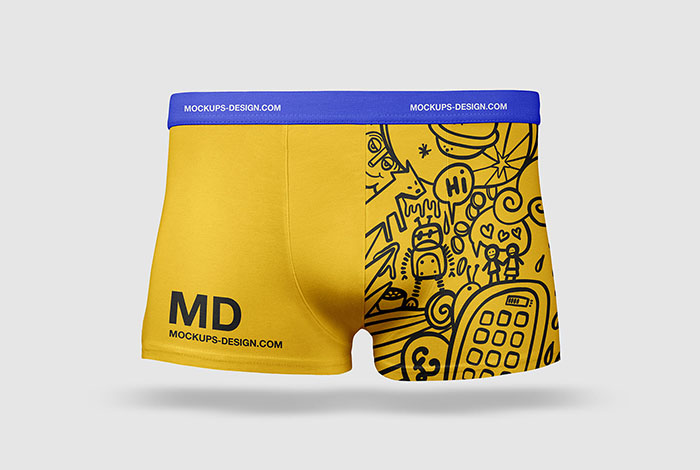
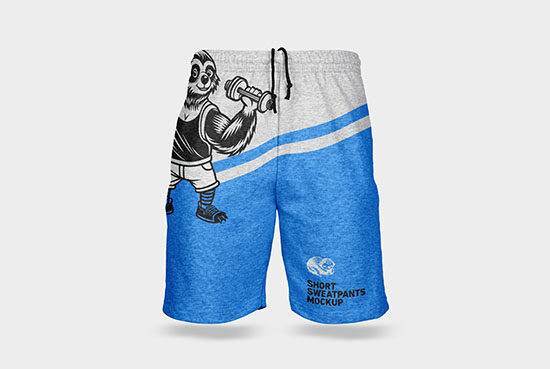
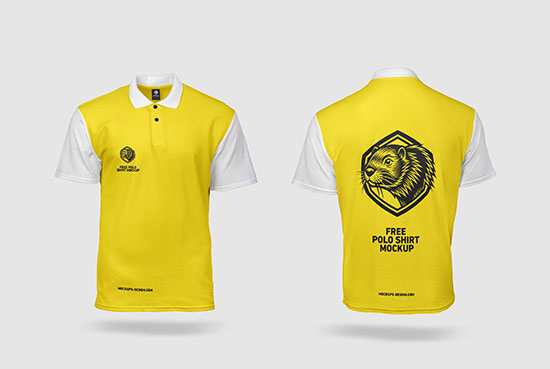
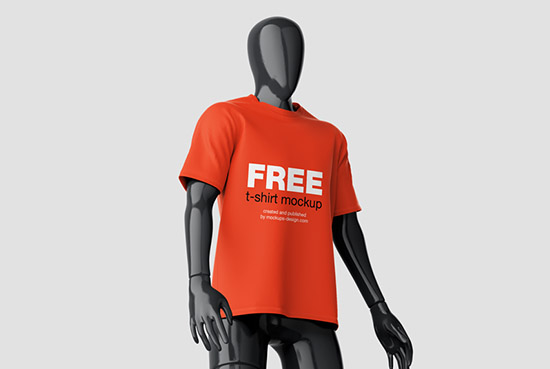
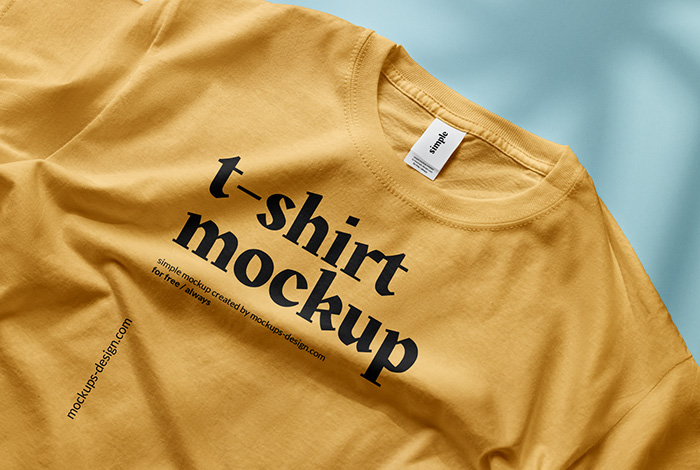
Fabric is the whole difference here. A design printed on a shirt doesn't sit on a flat surface — it follows the cloth, creasing where the garment folds, dipping into the weave and shifting with the drape, so a crisp logo softens and a fine line can break up on a heavy knit. The good mockups reproduce that: the artwork bends with the wrinkles and takes on the texture, which is exactly what you need to see, because a graphic that looks sharp in the file can lose its edges once it's on a t-shirt. Placement matters as much as the design — chest, pocket, full front, sleeve or back all read differently on a body.
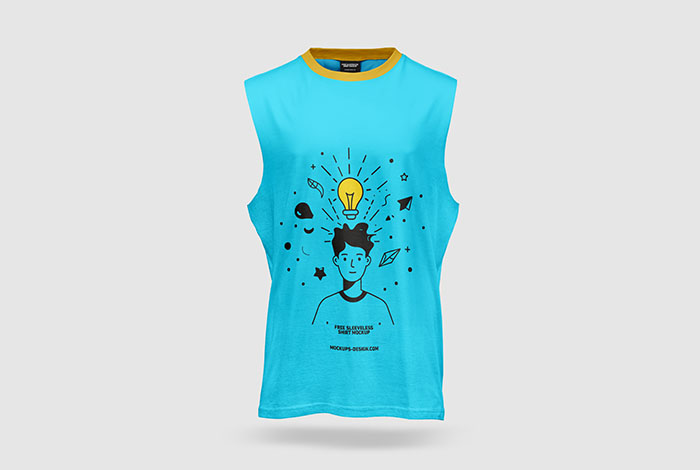
How the garment's shown sets the mood. A flat-lay reads clean and product-like, straight for a shop listing; hung on a hanger or a rail feels like retail; a ghost or invisible-mannequin shot gives it shape without a model. Colour is part of the choice too — the same print reads boldly on white and quietly on dark, and on a coloured tee the ink either pops or sinks, so it's worth trying a design across a couple of garment colours. It covers band and event merch, brand and streetwear, promo giveaways and print-on-demand — anything where the artwork has to survive being worn.
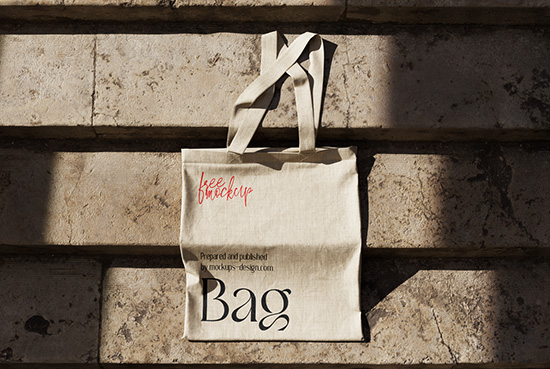
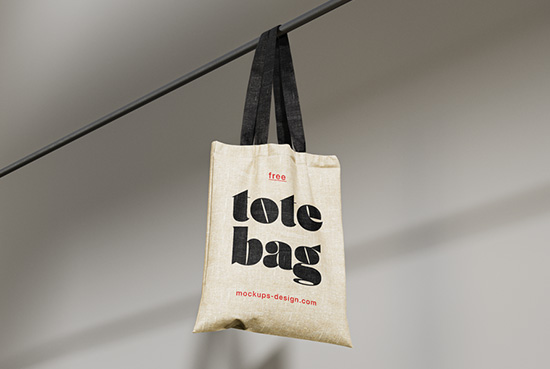
In the sets: the garment shown flat, hung or as a ghost shot on a clean background, front and back where it applies, so you can present it product-style or place it in a scene. Each is a layered PSD with smart objects — the artwork sits on its own layer, so replacing it leaves the fabric, folds, texture and shadow untouched.